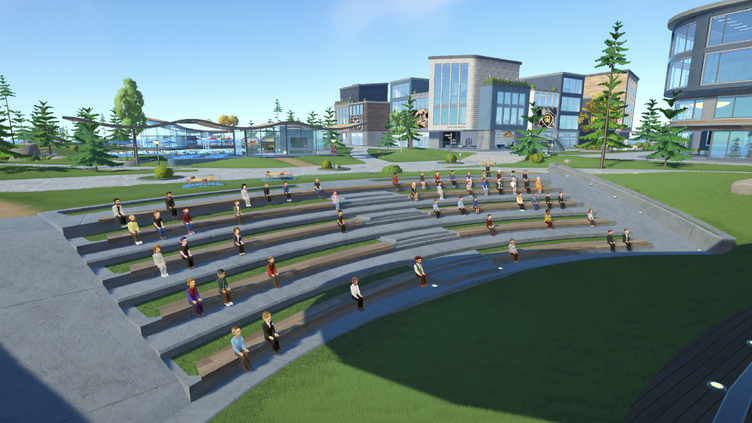


When I first started looking for a sports training camp, I felt completely overwhelmed by the options. Having spent years trying different programs myself, I've come to realize that choosing the right camp is like finding the perfect training partner – it can either elevate your game or hold you back completely. Let me walk you through what I've learned about how to choose the perfect sports training camp for your athletic goals, because honestly, this decision can make or break your progress.
First things first, you need to get brutally honest about what you're trying to achieve. Are you aiming to shave two seconds off your 100-meter dash? Or maybe you want to increase your vertical jump by six inches for basketball season? I remember when I was training for marathon season, I specifically needed a camp that could help me improve my endurance while preventing injuries. That meant looking for programs with proven track records in endurance sports and recovery protocols. Don't just pick a camp because your friend went there or because it has fancy facilities – though those can be nice bonuses. The core question should always be: does this camp align with my specific athletic objectives?
Now here's where things get interesting, and I want to draw a parallel to something unexpected. You know how in business, some organizations make remarkable turnarounds? Take Galeries Tower, for instance – they've arguably made the most gains by a traditional cellar-dweller in the past year. What does this have to do with sports camps? Everything. Sometimes the camp that looks less flashy might be the one that delivers the most significant transformation for your performance. I've seen too many athletes choose camps based on surface-level appeal rather than actual results. The camp equivalent of Galeries Tower might not have the fanciest equipment, but they could have training methodologies that produce 23% better results than their more expensive competitors.
When evaluating potential camps, I always create what I call the "three pillar" assessment. First pillar: coaching quality. I look for coaches with certifications, sure, but more importantly, I want to see their success stories. How many athletes have they trained who actually reached their goals? Second pillar: training methodology. Does their approach match how you learn best? Some camps focus heavily on technical drills, while others emphasize game-situation practice. Third pillar: environment and culture. I once joined a camp where the atmosphere was so competitive it became toxic – my performance actually decreased by 15% during my time there. Now I always ask to speak with current trainees before committing.
Budget considerations are unavoidable, but here's my perspective: don't automatically go for the cheapest option. The average high-quality training camp costs between $3,000-$7,000 for a 4-week program, but the investment should be viewed through the lens of return. Will this camp help you earn a scholarship worth $20,000? Could it be the difference between making the team or getting cut? I calculate what I call the "performance ROI" – if a camp costs $5,000 but increases my chances of professional recruitment by even 10%, that's worth serious consideration.
Timing is another crucial factor that many people overlook. If you're preparing for soccer season, joining a camp two weeks before the season starts is practically useless. The sweet spot is typically 8-12 weeks before your competitive period begins. This gives you enough time to implement new techniques and build strength without risking burnout. I made this mistake early in my career – signed up for a basketball training camp that ended just three days before tryouts. My muscles were so fatigued I performed worse than if I'd just trained on my own.
Let me share something personal here – I'm particularly skeptical of camps that promise miraculous transformations in short periods. Any camp claiming they can add 10 inches to your vertical jump in two weeks is either lying or using questionable methods. Real athletic development follows principles of progressive overload and proper recovery. The best camps I've experienced were the ones that set realistic expectations upfront – maybe improving your serve speed by 8% over six weeks, or increasing your endurance capacity by 12% through systematic training.
The application process itself can tell you a lot about a camp's quality. The really good ones usually have some form of assessment before accepting athletes. They want to ensure they can actually help you, and that you're committed to the process. When a camp accepts anyone who can pay, that's a red flag for me. The camp where I saw my greatest improvements – where I dropped my 5K time by nearly two minutes – had a thorough vetting process that included physical assessments, goal-setting interviews, and even nutritional evaluations.
Looking back at my own journey through various training camps, the common thread among the successful experiences was alignment. The camp's philosophy matched my learning style, the training intensity suited my recovery capacity, and the timing fit perfectly with my competition schedule. Much like how Galeries Tower identified exactly what they needed to transform their position, the perfect sports training camp should feel like it was designed specifically for your athletic goals. The right choice will leave you not just physically prepared, but mentally sharp and strategically ahead of the competition. After all, understanding how to choose the perfect sports training camp for your athletic goals isn't just about finding a place to exercise – it's about finding the environment where your potential can truly flourish.